
Article
The Hidden Inefficiencies of Busy Physician Groups
Feb 19, 2026
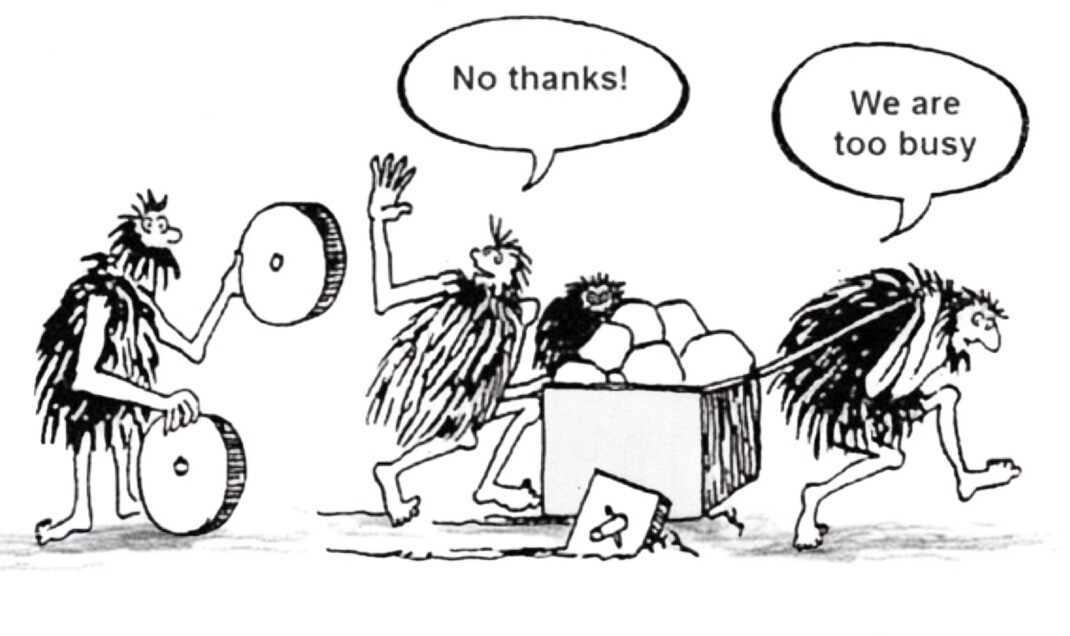
In many specialty practices, being busy is interpreted as being efficient.
Schedules are full. Providers are fully utilized. New patients keep arriving. From the owner’s perspective, this feels like confirmation that the organization is functioning well.
If something were truly broken, the practice would not be this busy. That assumption is common and understandable.
Unfortunately, busyness and operational efficiency are not the same thing.
How this illusion forms
Most specialty practices evolve predictably.
The founders are physicians. Demand grows around their clinical work. Administrative staff are added to manage scheduling, paperwork, and patient coordination. As patient volume increases, more providers may join the practice.
Over time, the calendar becomes the dominant signal of performance.
When the schedule is full, everything appears healthy.
But a full calendar measures provider utilization, not system effectiveness.
The hidden cost of buffers and workarounds
Many practices gradually build protective mechanisms that help keep schedules full.
Common examples include over-scheduling, waitlists, last minute substitutions, and constant staff intervention. These tactics preserve apparent productivity, yet they often conceal deeper process failures.
When a visit is canceled because an insurance referral is missing, another patient frequently fills the slot. From the physician’s perspective, the day still looks fully booked.
The disruption disappears from view. The operational cost does not.
Where the real damage occurs
Problems related to missed documents and patient communications rarely impact providers immediately.
Instead, the consequences fall on patients, referring partners, administrative teams, and revenue cycles.
Coverage issues may surface at the last moment. Patients may be rescheduled because required information is incomplete. Staff spend significant time reacting rather than progressing work.
Over time, these small breakdowns accumulate into reputation damage and financial leakage.
The practice remains busy while performance quietly degrades, out of view.
The transparency test most practices fail
Practices can evaluate their operational visibility by asking a few straightforward questions.
How many documents were received this week? Better by type of the document. Even better if broken down by type of document.
How many remain unresolved?
Where exactly are those documents now?
Who is responsible for the work around each one?
How long does resolution typically take?
Can a specific document be tracked from arrival to completion?
When these answers are difficult, delayed, or approximate, the issue is not staff effort. The issue is process visibility.
Without measurable tracking, there is no reliable control. Without control, inefficiency becomes structural.
Why this problem persists
Most specialty practice owners are also clinicians.
Their attention is directed toward patient care, clinical procedures and outcomes. When schedules stay full, there is little immediate pressure to examine operational workflows.
The absence of pain at the provider level creates a false sense of stability.
But in the meantime, hidden friction continues to grow.
Making invisible work visible
The core challenge is not simply document handling.
The deeper issue is the lack of system level visibility into incoming operational work.
Documents, voicemails, and patient communications move through fragmented channels with limited tracking, inconsistent prioritization, and heavy manual coordination.
Transparency changes this dynamic completely.
How Carethink changes the equation
Carethink transforms incoming documents and messages into visible, measurable workflows.
All documents, voicemails, and patient communications enter a unified system where practices can see:
When work arrived
What requires action
What is delayed or missing
Who owns each task
How quickly issues are resolved
Once work becomes visible, patterns become clear.
Once patterns become clear, improvement becomes possible.
Leaders can identify bottlenecks, allocate resources intelligently, and apply automation where it has the greatest impact. Small operational failures no longer accumulate unnoticed.
The critical insight
A busy practice is not necessarily an efficient practice.
Full schedules can coexist with invisible delays, hidden rework, causing damaged reputation and revenue loss.
Transparency reveals reality.
Reality is where optimization begins.
In many specialty practices, being busy is interpreted as being efficient.
Schedules are full. Providers are fully utilized. New patients keep arriving. From the owner’s perspective, this feels like confirmation that the organization is functioning well.
If something were truly broken, the practice would not be this busy. That assumption is common and understandable.
Unfortunately, busyness and operational efficiency are not the same thing.
How this illusion forms
Most specialty practices evolve predictably.
The founders are physicians. Demand grows around their clinical work. Administrative staff are added to manage scheduling, paperwork, and patient coordination. As patient volume increases, more providers may join the practice.
Over time, the calendar becomes the dominant signal of performance.
When the schedule is full, everything appears healthy.
But a full calendar measures provider utilization, not system effectiveness.
The hidden cost of buffers and workarounds
Many practices gradually build protective mechanisms that help keep schedules full.
Common examples include over-scheduling, waitlists, last minute substitutions, and constant staff intervention. These tactics preserve apparent productivity, yet they often conceal deeper process failures.
When a visit is canceled because an insurance referral is missing, another patient frequently fills the slot. From the physician’s perspective, the day still looks fully booked.
The disruption disappears from view. The operational cost does not.
Where the real damage occurs
Problems related to missed documents and patient communications rarely impact providers immediately.
Instead, the consequences fall on patients, referring partners, administrative teams, and revenue cycles.
Coverage issues may surface at the last moment. Patients may be rescheduled because required information is incomplete. Staff spend significant time reacting rather than progressing work.
Over time, these small breakdowns accumulate into reputation damage and financial leakage.
The practice remains busy while performance quietly degrades, out of view.
The transparency test most practices fail
Practices can evaluate their operational visibility by asking a few straightforward questions.
How many documents were received this week? Better by type of the document. Even better if broken down by type of document.
How many remain unresolved?
Where exactly are those documents now?
Who is responsible for the work around each one?
How long does resolution typically take?
Can a specific document be tracked from arrival to completion?
When these answers are difficult, delayed, or approximate, the issue is not staff effort. The issue is process visibility.
Without measurable tracking, there is no reliable control. Without control, inefficiency becomes structural.
Why this problem persists
Most specialty practice owners are also clinicians.
Their attention is directed toward patient care, clinical procedures and outcomes. When schedules stay full, there is little immediate pressure to examine operational workflows.
The absence of pain at the provider level creates a false sense of stability.
But in the meantime, hidden friction continues to grow.
Making invisible work visible
The core challenge is not simply document handling.
The deeper issue is the lack of system level visibility into incoming operational work.
Documents, voicemails, and patient communications move through fragmented channels with limited tracking, inconsistent prioritization, and heavy manual coordination.
Transparency changes this dynamic completely.
How Carethink changes the equation
Carethink transforms incoming documents and messages into visible, measurable workflows.
All documents, voicemails, and patient communications enter a unified system where practices can see:
When work arrived
What requires action
What is delayed or missing
Who owns each task
How quickly issues are resolved
Once work becomes visible, patterns become clear.
Once patterns become clear, improvement becomes possible.
Leaders can identify bottlenecks, allocate resources intelligently, and apply automation where it has the greatest impact. Small operational failures no longer accumulate unnoticed.
The critical insight
A busy practice is not necessarily an efficient practice.
Full schedules can coexist with invisible delays, hidden rework, causing damaged reputation and revenue loss.
Transparency reveals reality.
Reality is where optimization begins.
Ready to stop missing critical documents?
Carethink understands incoming documents and orchestrates the next steps to completion, automatically.
